Baphomet: From the Templar Trials to an Occult Symbol
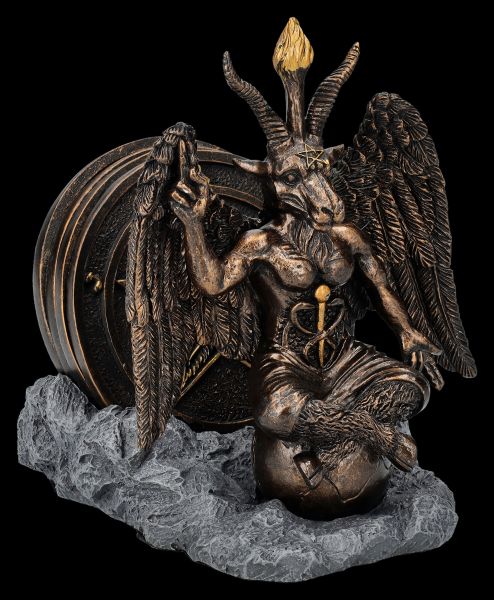
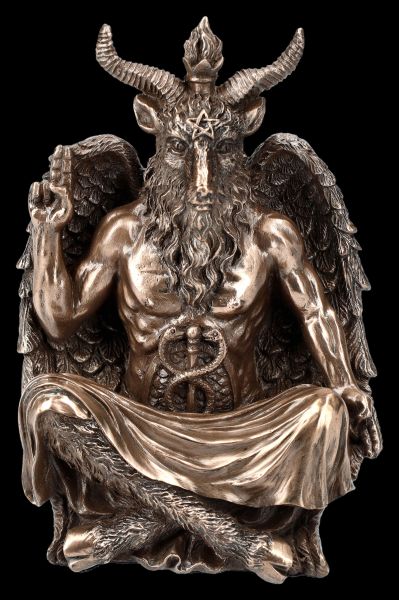
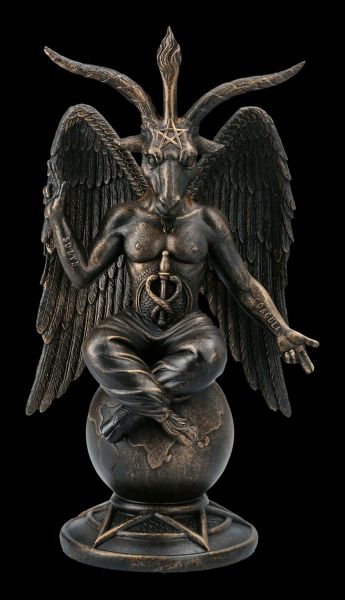
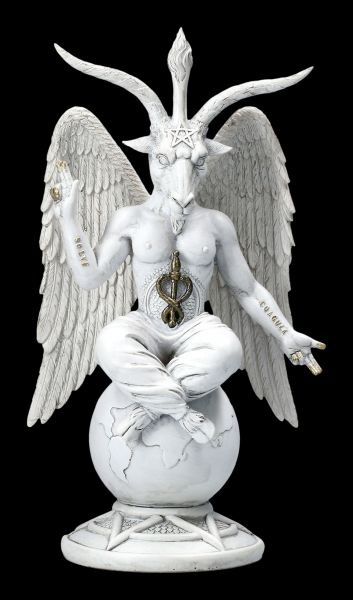
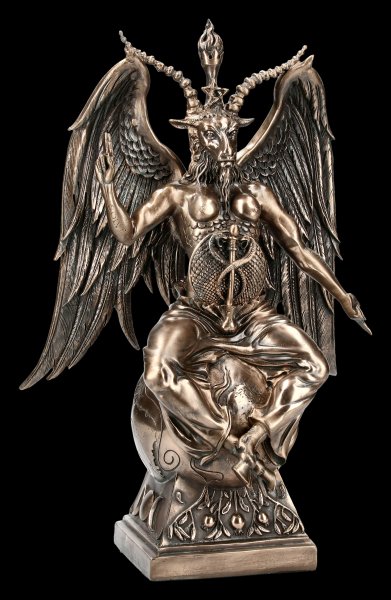
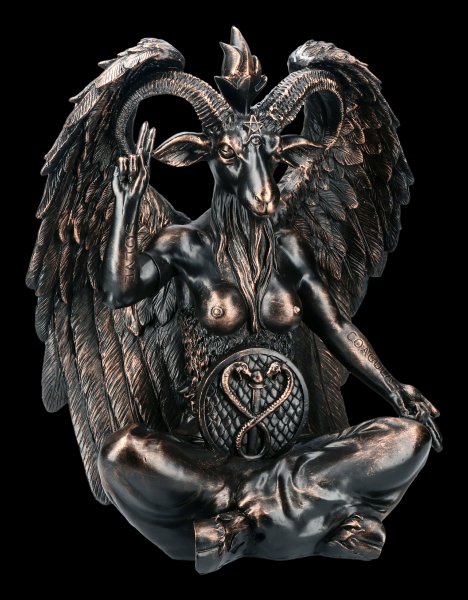
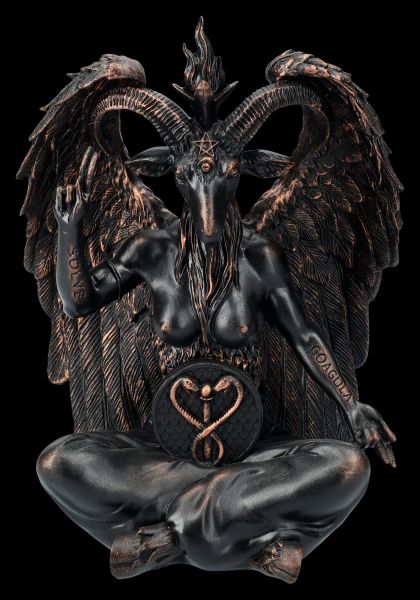
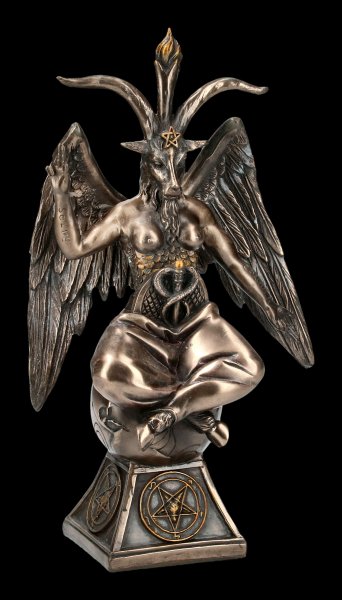
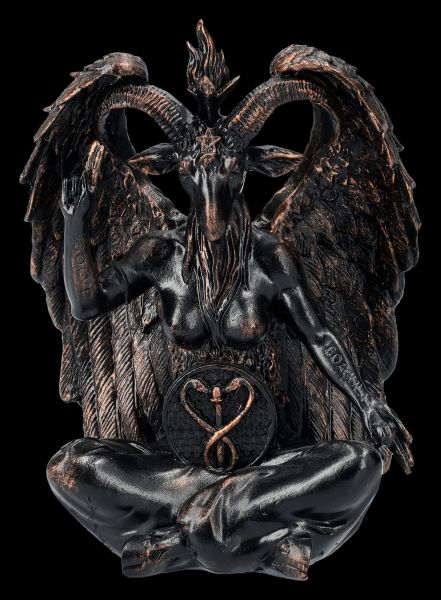
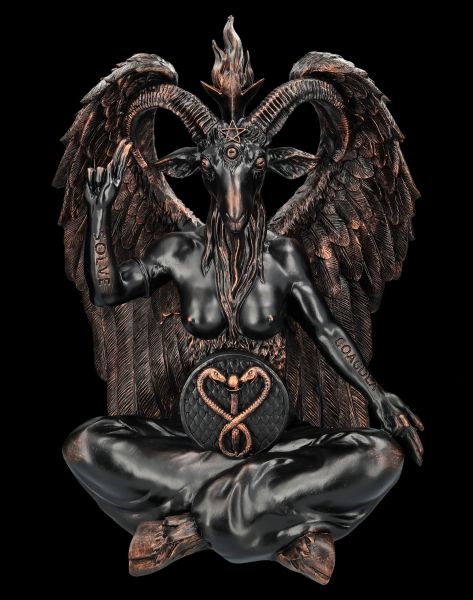
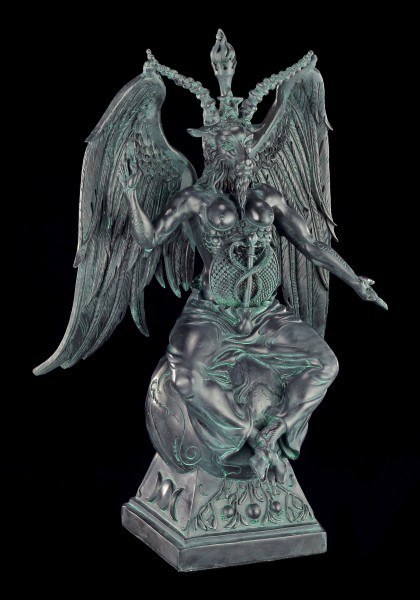
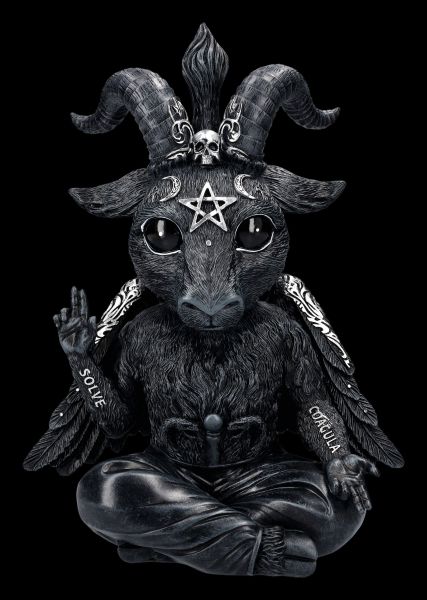
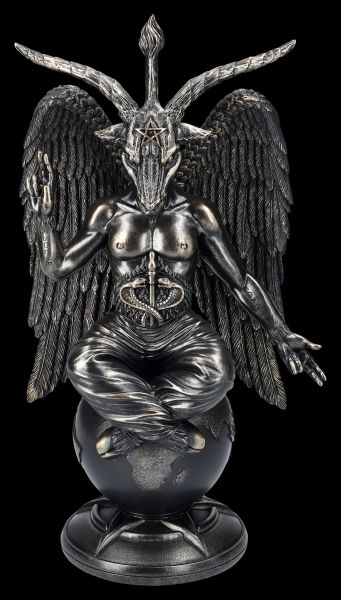
The name Baphomet is older than the Templar trials: a form of the name already appears in 1098 in an account from the time of the First Crusade and is often interpreted as a medieval corruption of the name Mohammed. Baphomet became famous, however, through the trials against the Knights Templar from 1307 onwards, in which the knights were accused, among other things, of worshipping mysterious idols. The image known today only emerged in the mid-19th century, when the French occultist Éliphas Lévi drew Baphomet as a winged figure with a goat's head, a pentagram on its forehead and a torch between its horns. The arms bear the alchemical terms Solve and Coagula – dissolve and bind – with one hand pointing upwards and the other downwards. Lévi's figure was meant to unite opposites and was not intended simply as a depiction of the Devil.
Baphomet Figurines: Enthroned, on a Pentagram or as a Bust
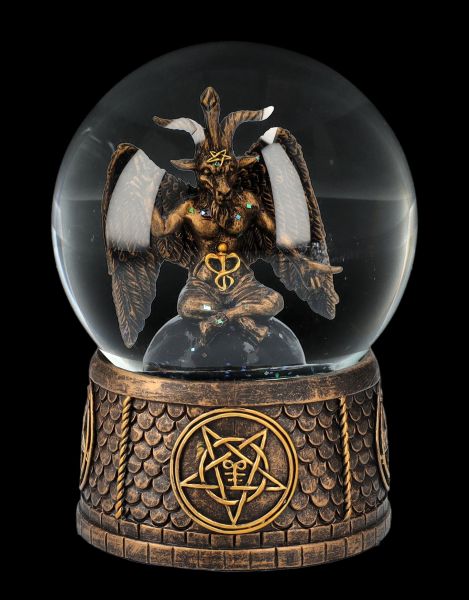
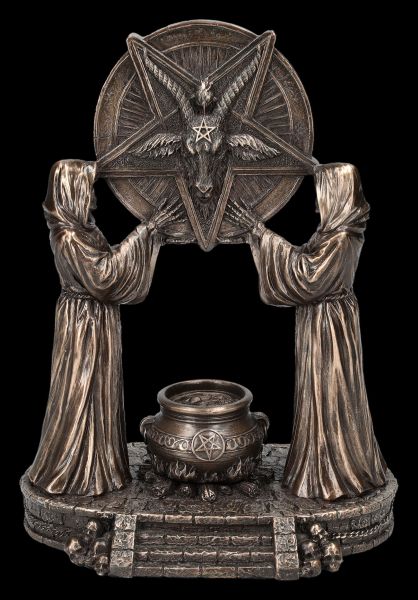
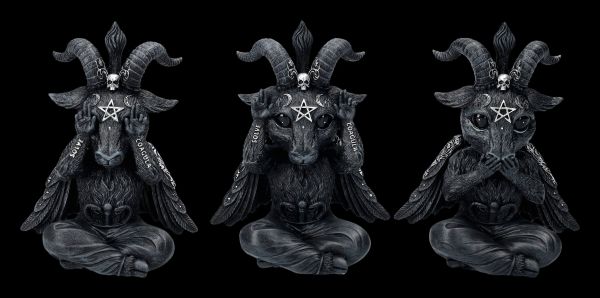
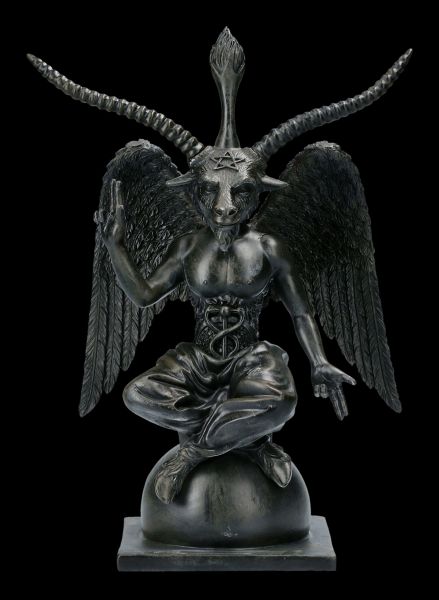
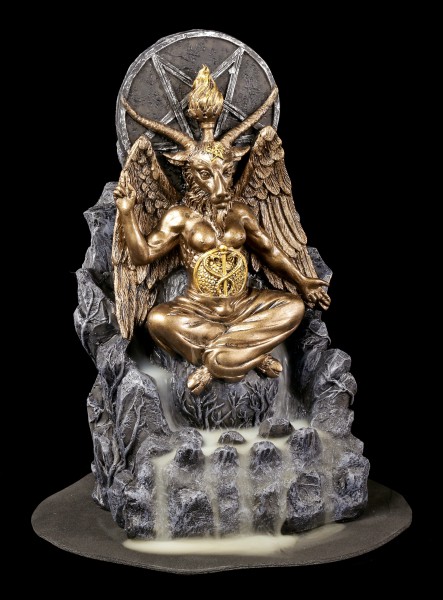
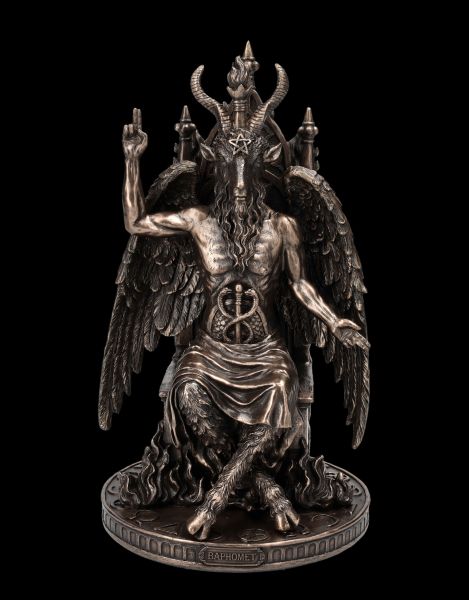
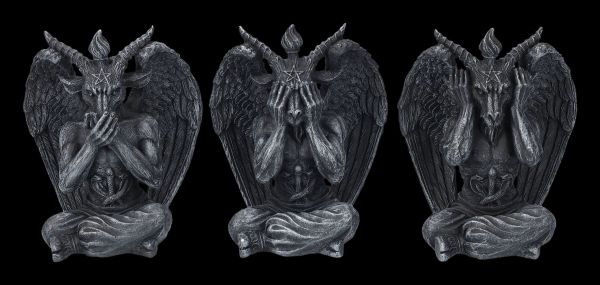
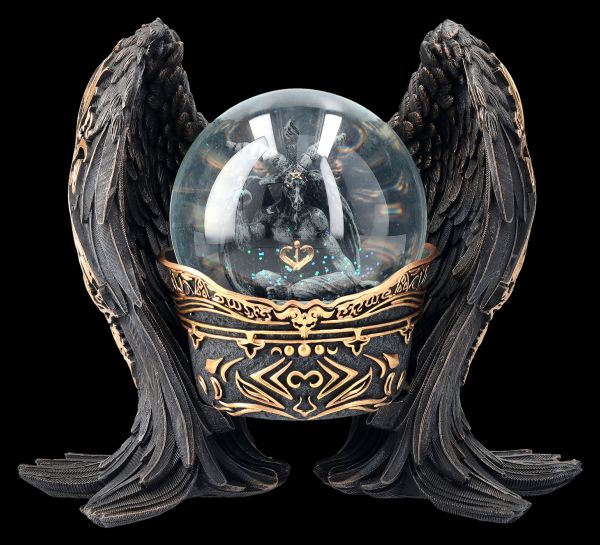
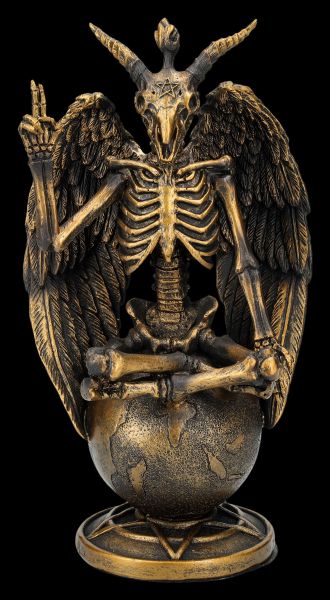
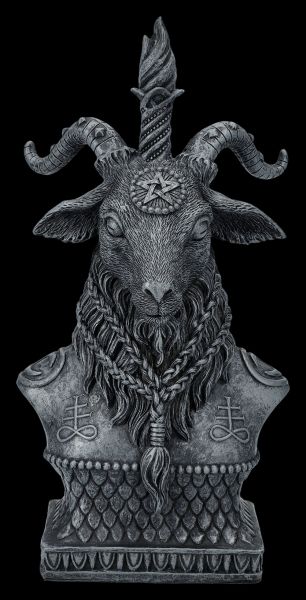
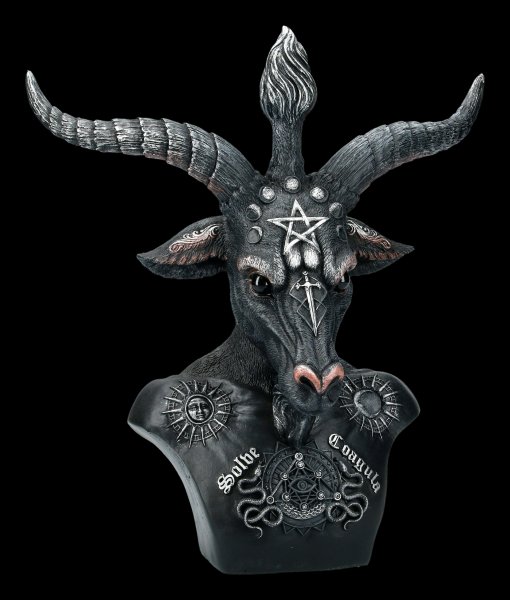
Most Baphomet statuettes follow Lévi's model and show the horned figure on a throne, a globe or a pentagram pedestal. Copper-coloured and bronzed finishes resemble aged metal and suit a display cabinet or an altar, while black and white versions create clear contrasts on a shelf. Busts put the horns and face centre stage and work well on a desk or mantelpiece. Sizes range from small figurines of around 10 cm to sculptures well over 30 cm tall. Many designs come from Nemesis Now and Veronese.
Cute Baphomets for Collectors with a Sense of Humour
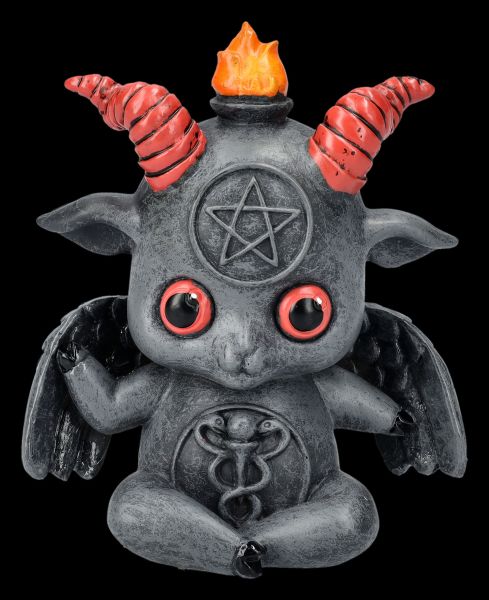
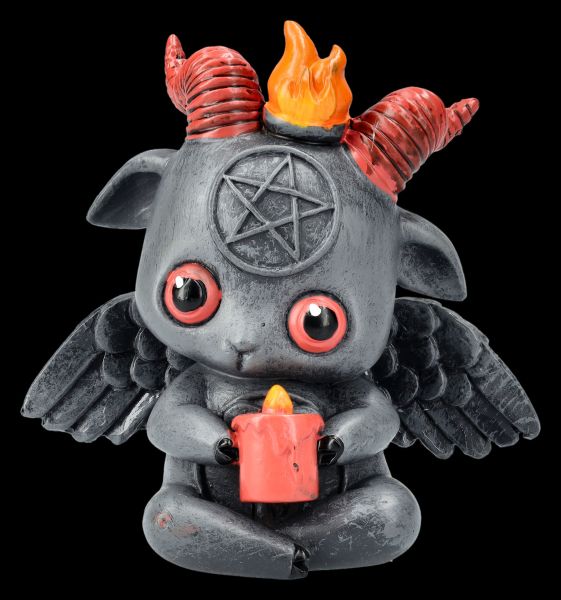
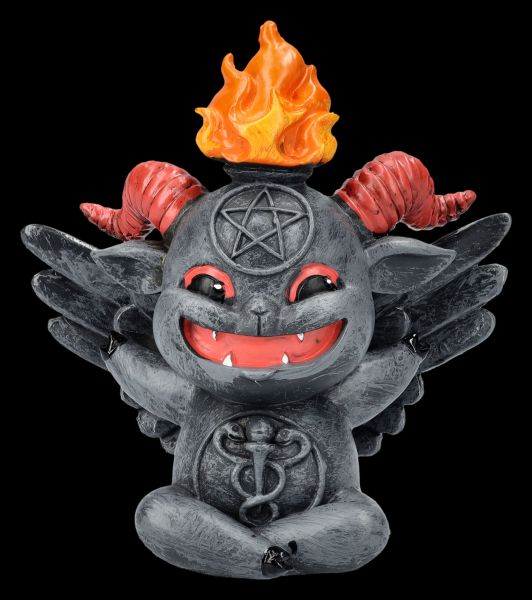
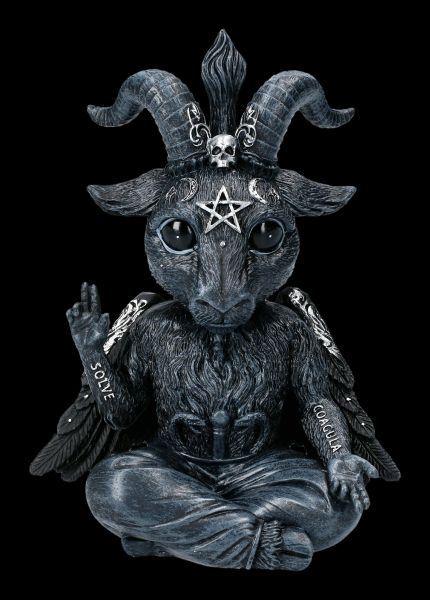
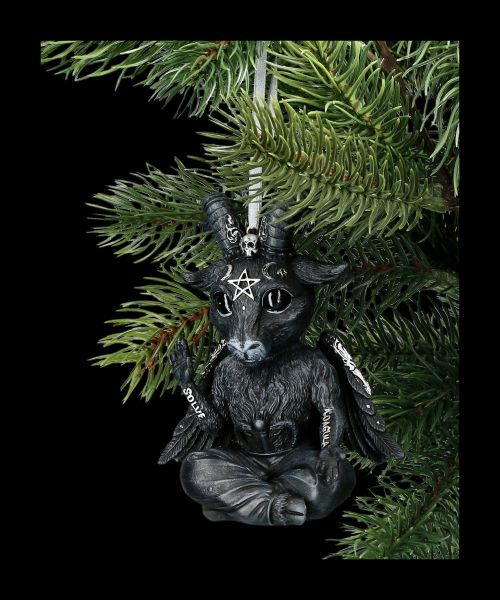
Alongside the classic iconography, Baphomet also comes in an endearing look with big round eyes, for example from the Cult Cuties range. More dark figures await among the devil and demon figurines, with matching additions for altar and ritual in magic & ritual supplies and among the horned skulls.