Cthulhu: The Idol Where It All Began
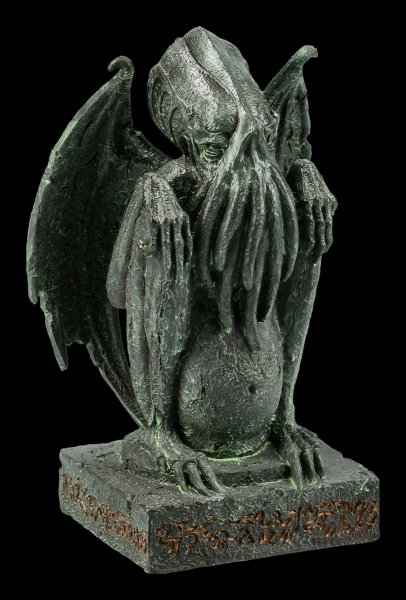
Figures already play a leading role in the source material: in H. P. Lovecraft's story "The Call of Cthulhu", first published in Weird Tales magazine in 1928, a clay bas-relief and a stone idol statuette seized during a cult ritual in the Louisiana swamps lead the way to the creature. Lovecraft describes a being of vaguely human outline with an octopus-like head whose face is a mass of feelers, a scaly body, claws and long, narrow wings. Cthulhu is one of the Great Old Ones and sleeps in the sunken city of R'lyeh in the Pacific. The term Cthulhu Mythos was only coined after Lovecraft's death in 1937, by the writer August Derleth.
Cthulhu Figurines: Enthroned, Lurking or Perched on a Globe
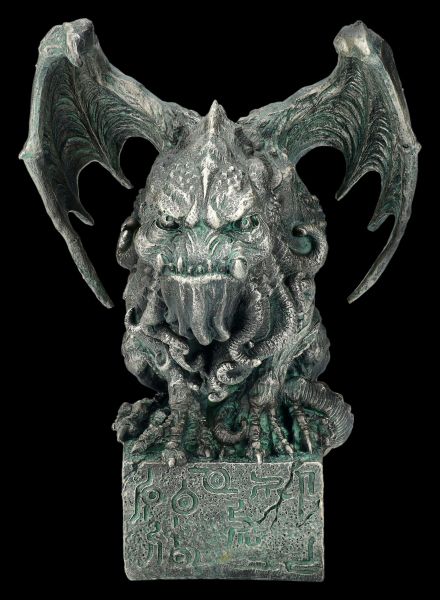
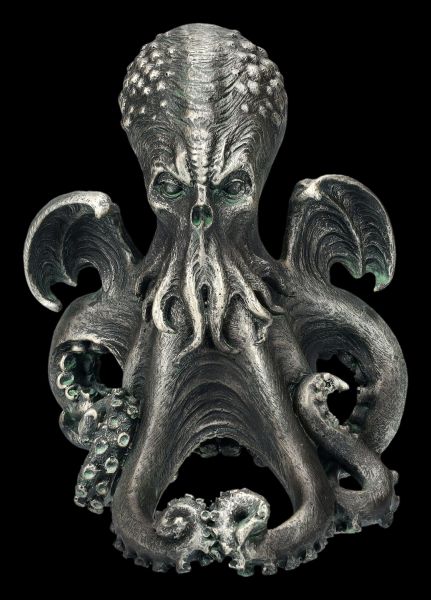
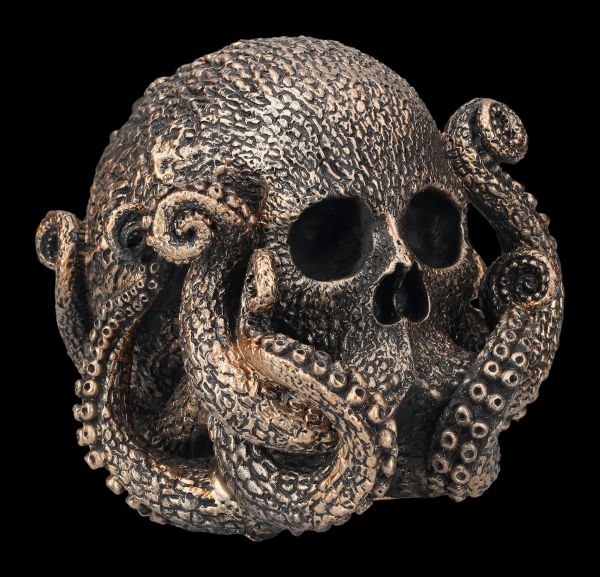
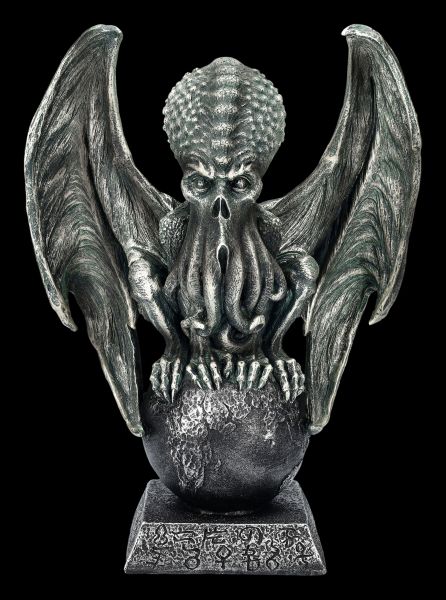
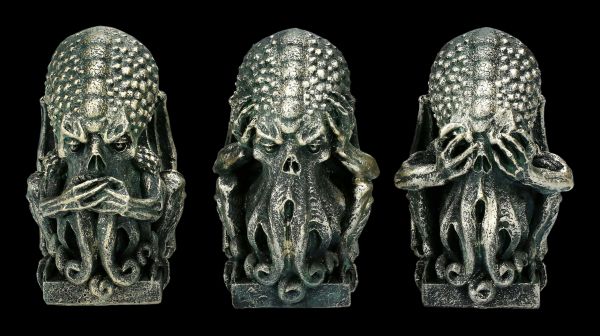
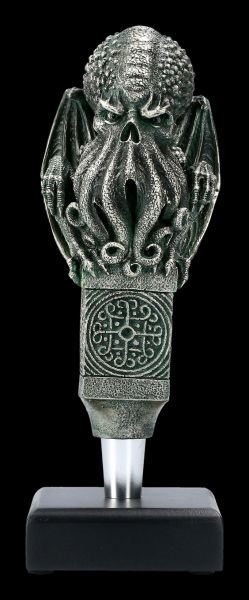
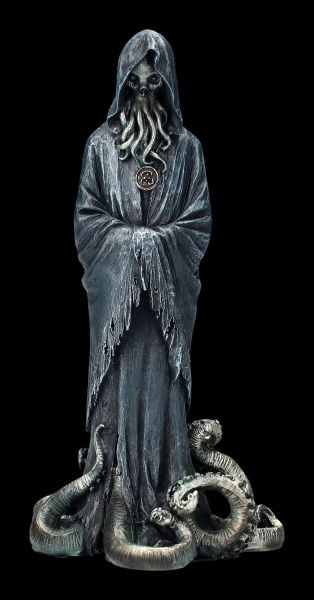
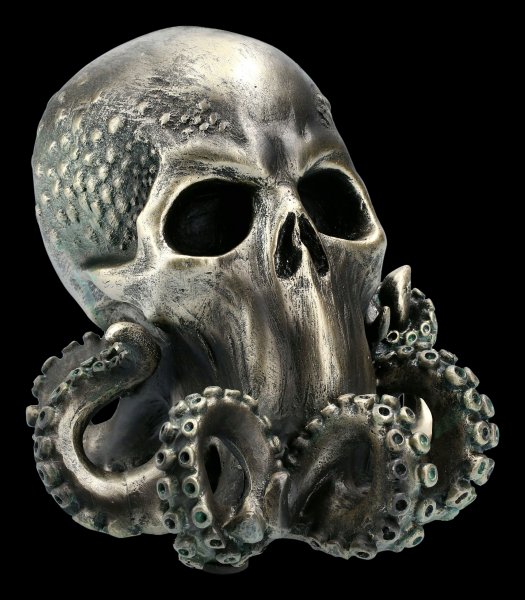
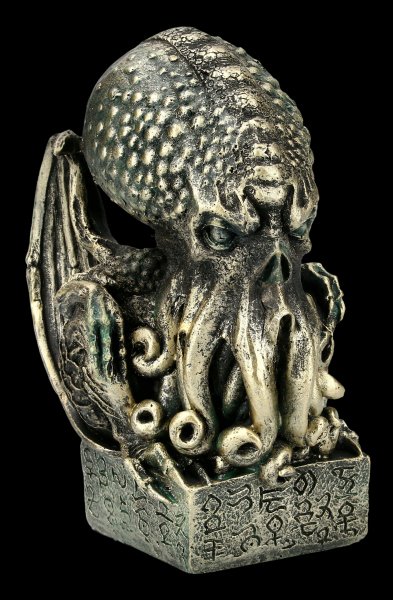
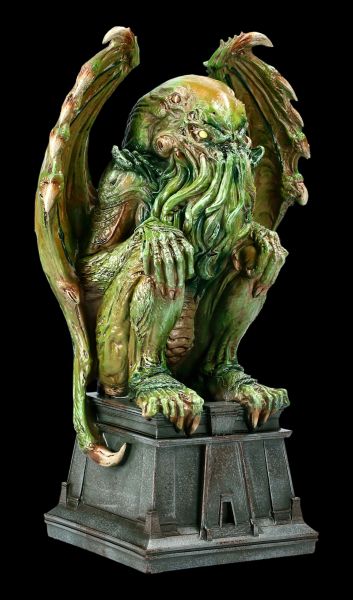
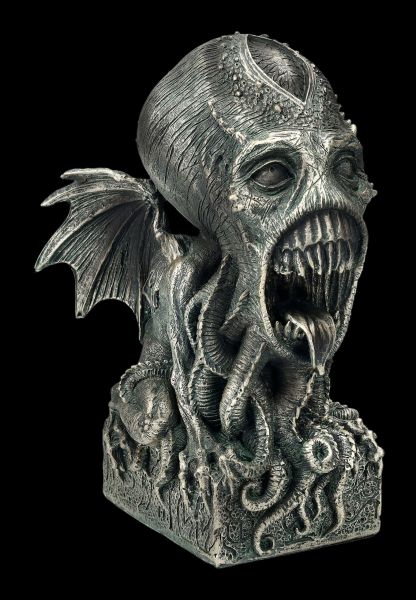
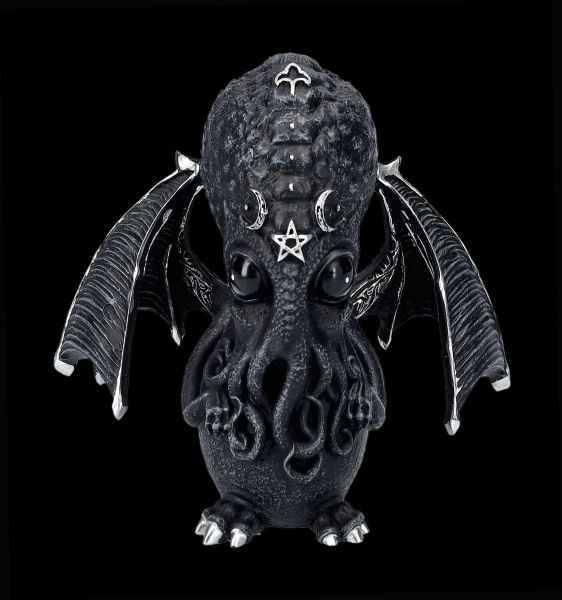
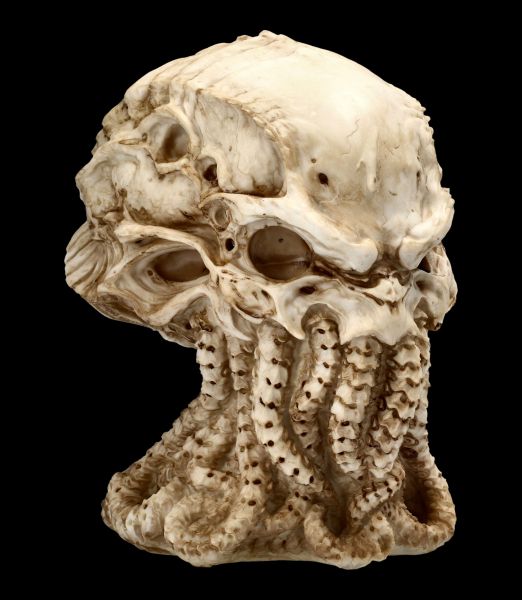
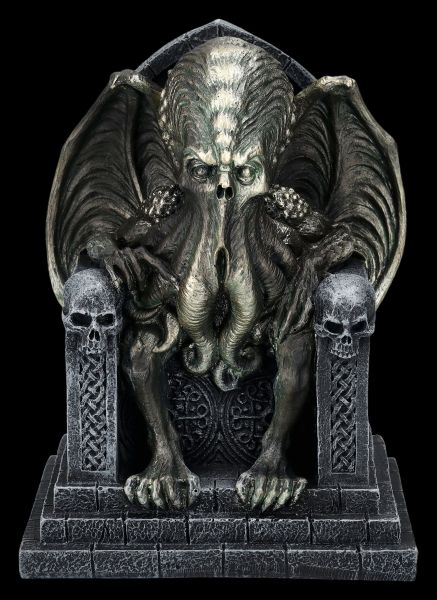
Cthulhu figurines interpret Lovecraft's description in different ways: as a ruler on a throne of skulls, lurking like a gargoyle on a plinth, or perched on a globe as a symbol of his claim to the Earth. Single-colour models resemble weathered stone, while painted versions bring out the tentacles and scales. Most figurines stand under 20 cm tall, so they fit on a bookshelf – right next to your Lovecraft editions – or in a display cabinet. There are also designs by fantasy artist James Ryman and a figurine of Dagon, after whom Lovecraft named a story published in 1919. More creatures of darkness await among the devil and demon figurines and the gargoyles, with matching grimoires and writing accessories in magic books.