
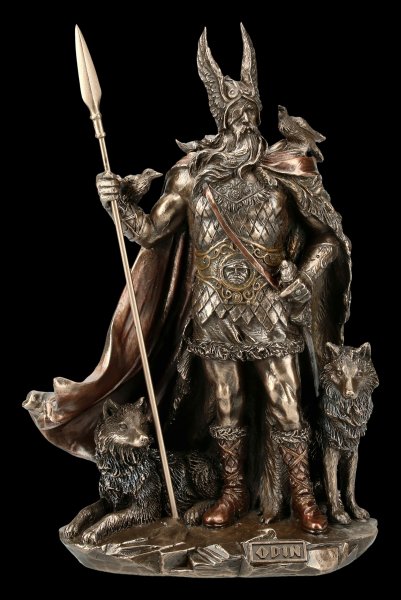
 Odin Figurine - Germanic God Father on Throne
 Free of shipping costs within Germany!
Ready to ship, Delivery time 1-3 workdays **
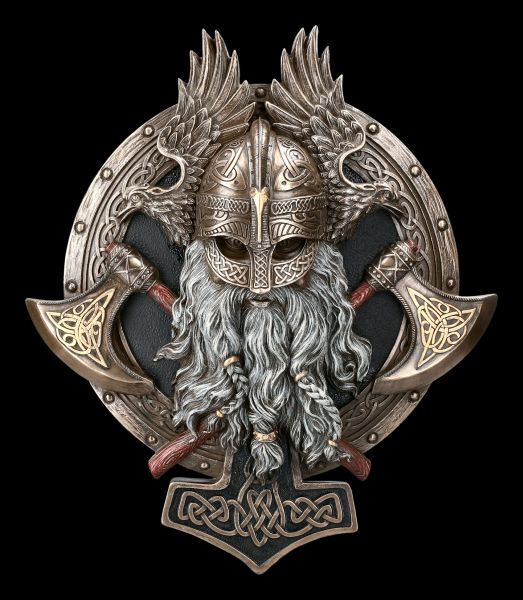
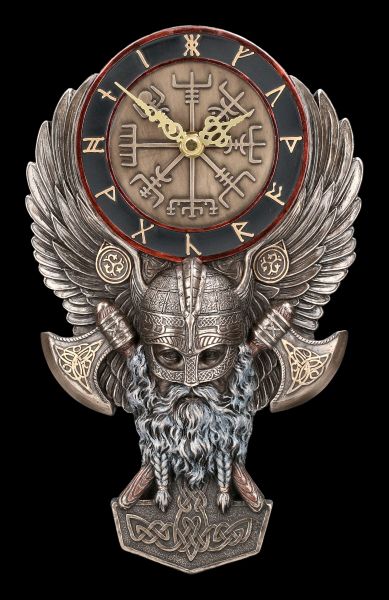 Wall Clock Viking - Vegvisir
 Free of shipping costs within Germany!
Ready to ship, Delivery time 1-3 workdays **
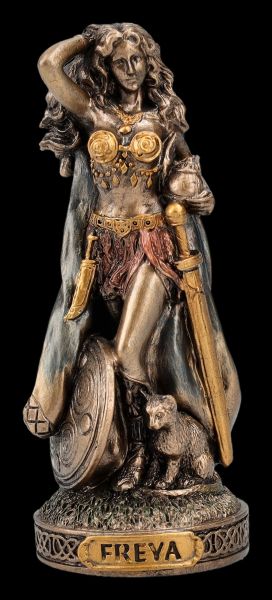
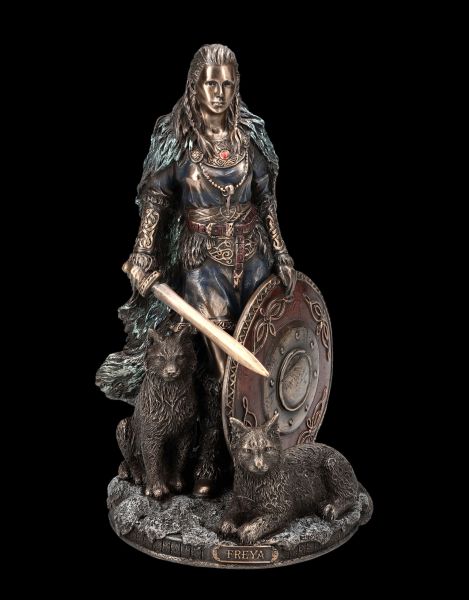 Freya Figurine - Germanic Goddess as Shieldmaiden
 Free of shipping costs within Germany!
Ready to ship, Delivery time 1-3 workdays **
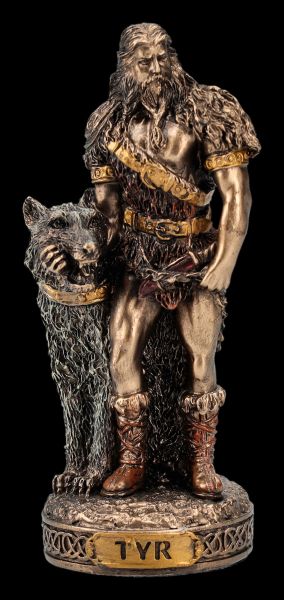
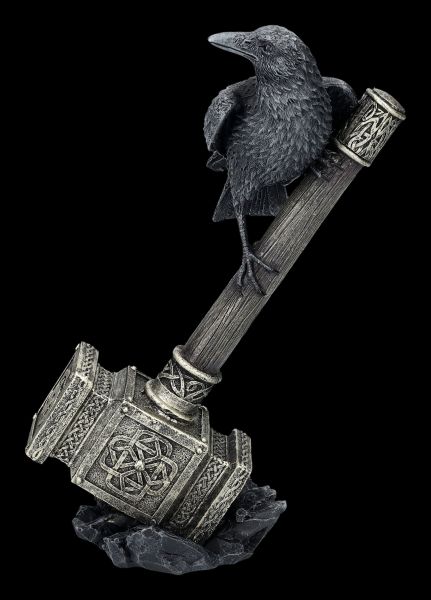
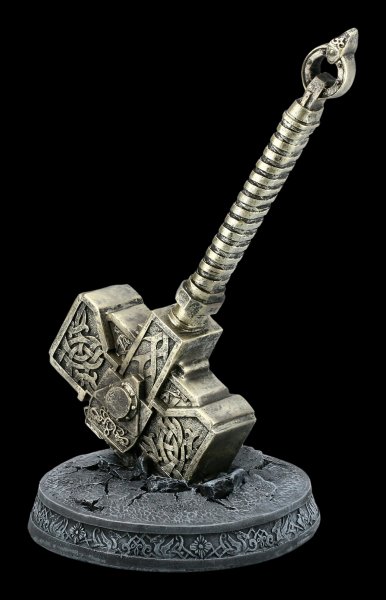 Mjölnir - Thor's Hammer
 Free of shipping costs within Germany!
Ready to ship, Delivery time 1-3 workdays **
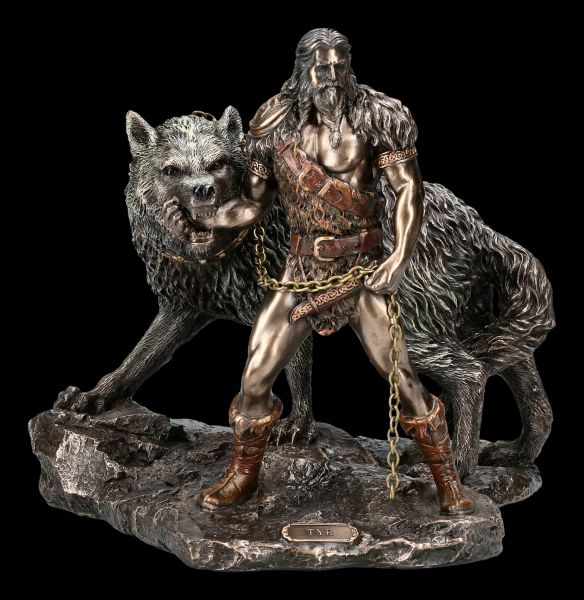 Tyr Figurine with Fenrir - God of War
 Free of shipping costs within Germany!
Ready to ship, Delivery time 1-3 workdays **
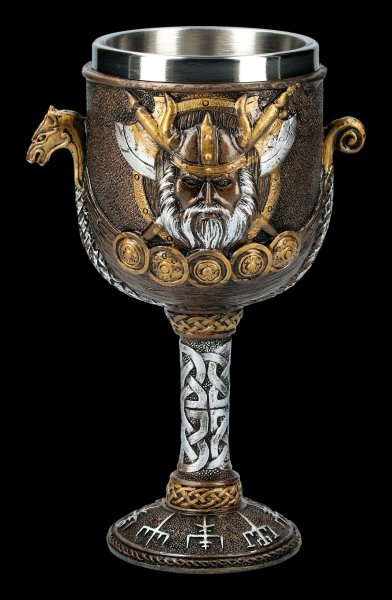
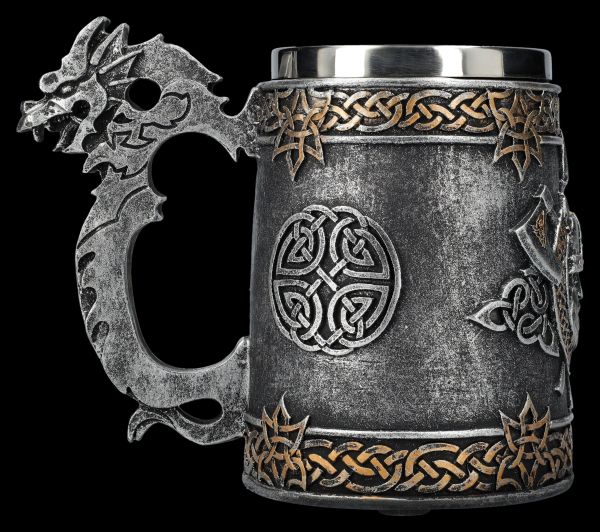 Tankard Viking - War Tankard with Axes
 Width: 18 cm (without Handle: 10 cm)
Depth: 9,5 cm
Material: Cold Cast Resin
Capacity: 500 ml
removable stainless steel insert
hand painted
Ready to ship, Delivery time 1-3 workdays **
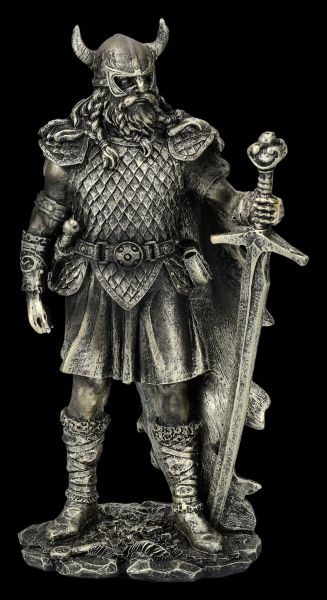 Viking Figurine - Knut with Sword
 Width: 10,5 cm
Depth: 8,5 cm
Material: Cold Cast Resin
hand painted
Ready to ship, Delivery time 1-3 workdays **
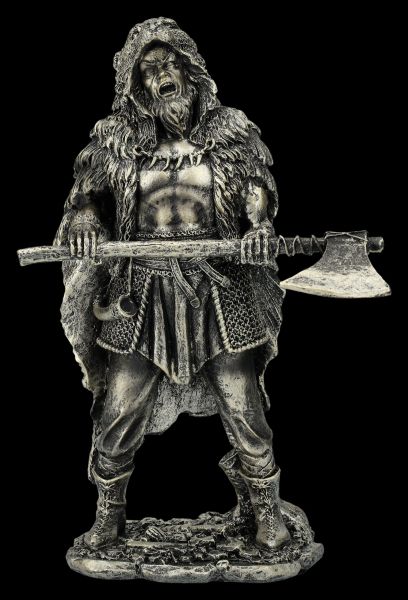 Viking Figurine - Berserk with Axe
 Width: 13 cm
Depth: 9 cm
Material: Cold Cast Resin
hand painted
Ready to ship, Delivery time 1-3 workdays **
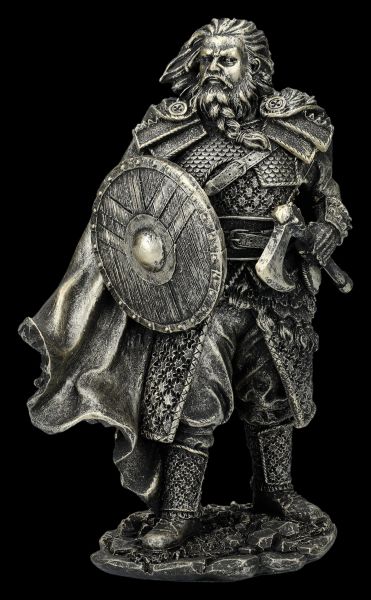 Viking Figurine - Sigurd with Axe and Shield
 Width: 11 cm
Depth: 7 cm
Material: Cold Cast Resin
hand painted
Ready to ship, Delivery time 1-3 workdays **
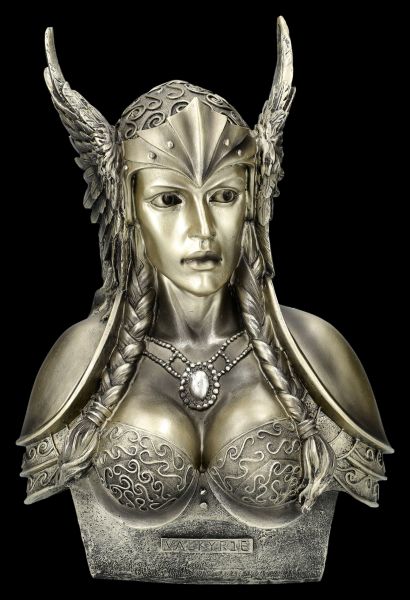 Bust Valkyrie medium S1
 Width: 19,5 cm
Depth: 12 cm
Material: Cold Cast Resin
bronze color
Series 1
by Monte M. Moore
Delivery time 7-28 days **
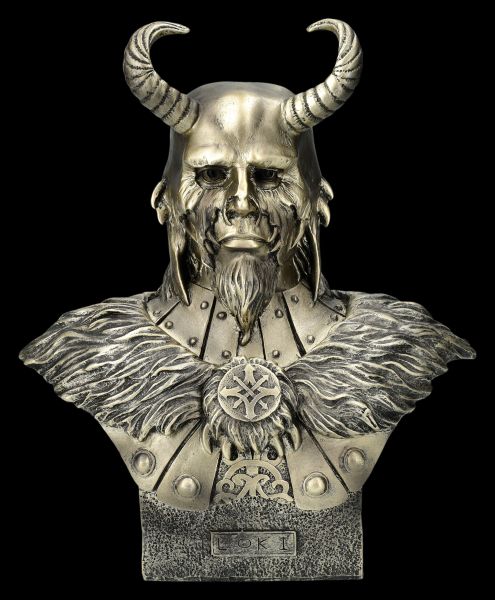 Loki medium Bust S1
 Width: 21,5 cm
Depth: 11 cm
Material: Cold Cast Resin
bronze color
Series 1
by Monte M. Moore
Ready to ship, Delivery time 1-3 workdays **
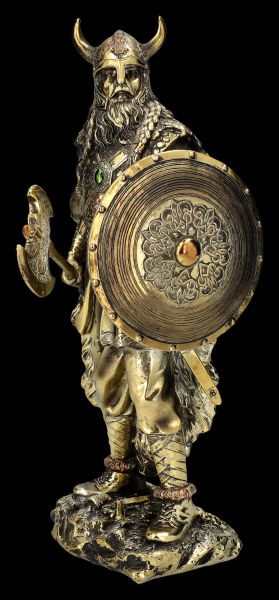 Viking Figurine with Double Axe
 Height: 34 cm
Width: 14 cm
Depth: 13,5 cm
Material: Cold Cast Resin
hand painted
Free of shipping costs within Germany!
Ready to ship, Delivery time 1-3 workdays **
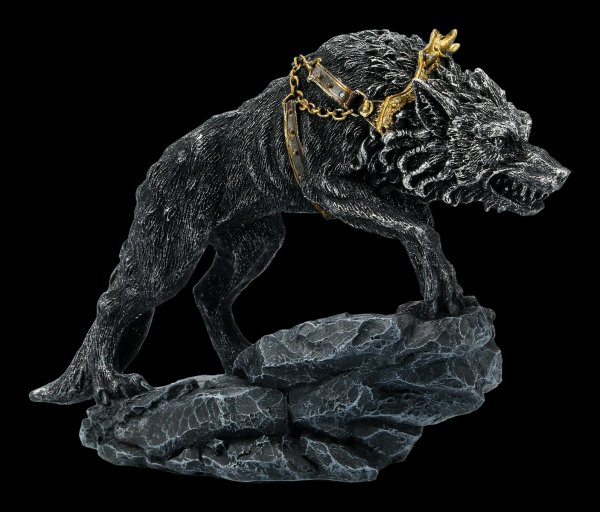
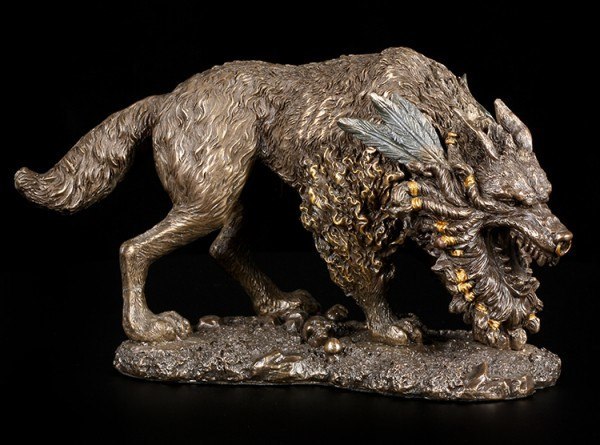 Fenrir Wolf Figure
 Width: 21 cm
Depth: 8 cm
Material: Cold Cast Bronze
colored
Delivery time 7-28 days **
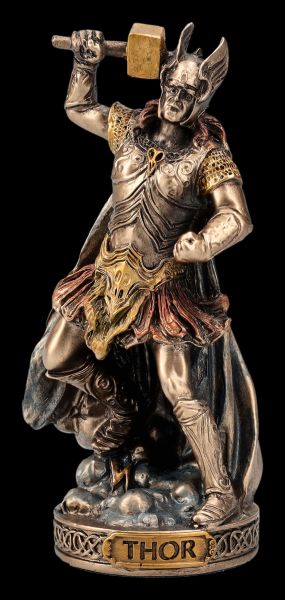
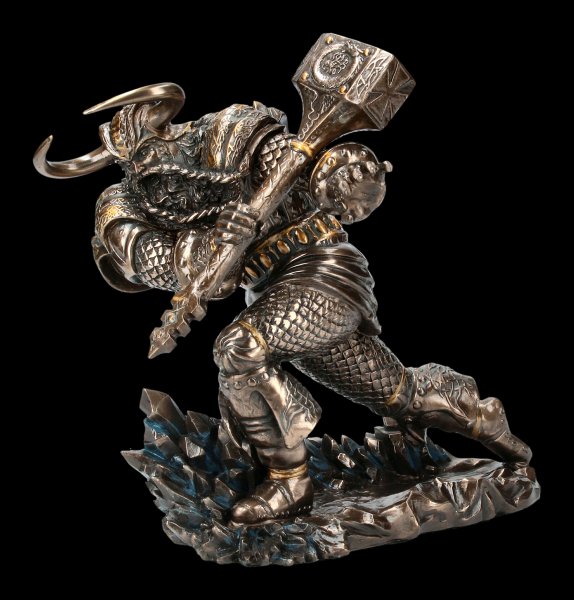 Thor Figurine - Fighting
 Width: 16,5 cm
Depth: 24 cm
Material: Cold Cast Bronze
colored
Free of shipping costs within Germany!
Ready to ship, Delivery time 1-3 workdays **
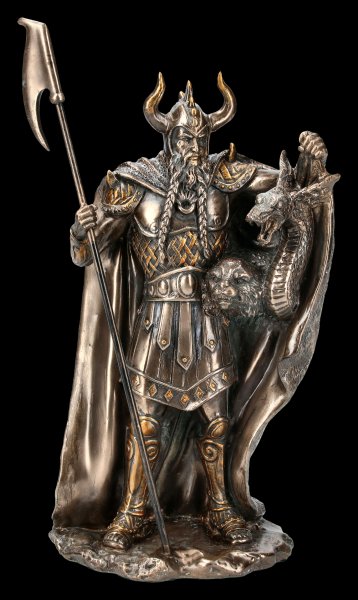 Loki Figurine by Derek Frost
 Width: 14 cm
Depth: 11 cm
Material: Cold Cast Resin
bronze / colored
by Derek W. Frost
Free of shipping costs within Germany!
Delivery time 7-28 days **
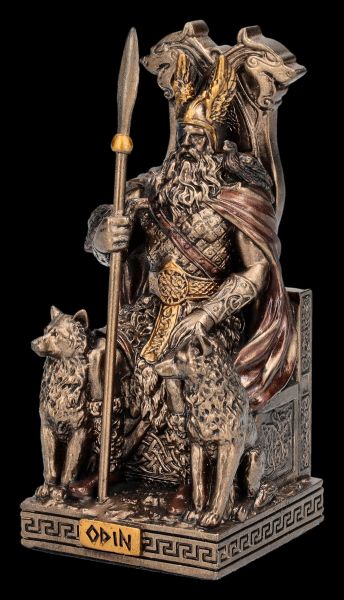
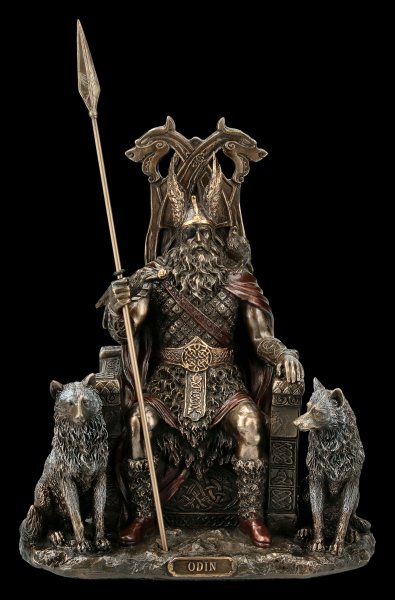
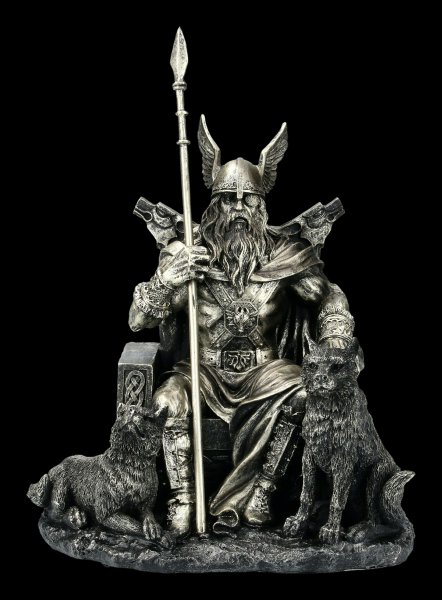 Odin Figurine - God Father on Throne with Wolves
 Height without Spear: 21 cm
Width: 20 cm
Depth: 13 cm
Material: Cold Cast Resin
bronze colored
Spear to Stick
Free of shipping costs within Germany!
Ready to ship, Delivery time 1-3 workdays **
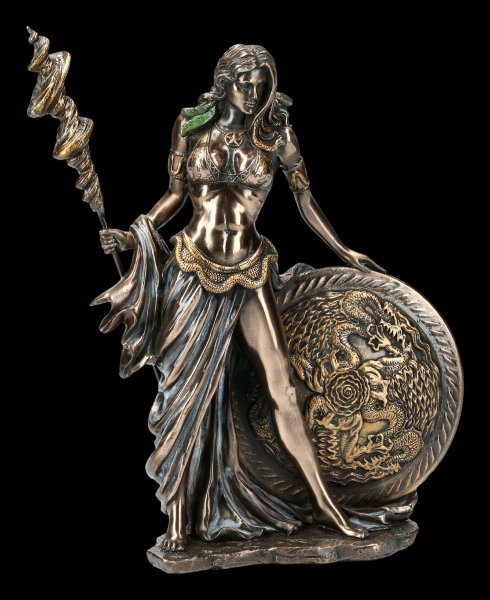 Frigga Figurine
 Width: 16,5 cm
Depth: 10 cm
Material: Cold Cast Bronze
colored
Free of shipping costs within Germany!
Ready to ship, Delivery time 1-3 workdays **
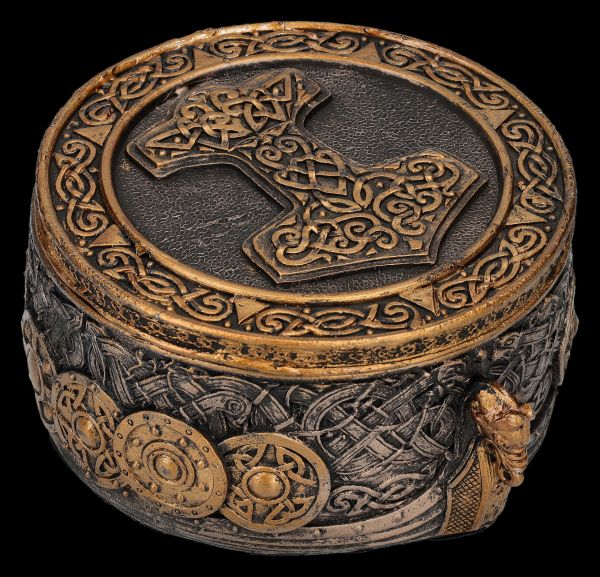 Box Viking Ship Drakkar
 Width: 10 cm
Depth: 12 cm
Interior: H: 4 cm / W: 8,5 cm / D: 8,5 cm
Material: Cold Cast Resin
hand painted
Ready to ship, Delivery time 1-3 workdays **
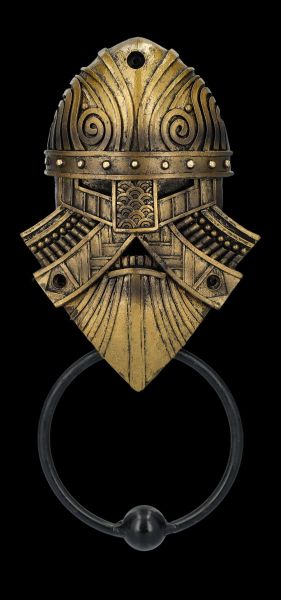 Door Knocker - Viking Look
 Width: 11 cm
Depth: 4 cm
Material: Cold Cast Resin/Metal
hand painted
Ready to ship, Delivery time 1-3 workdays **
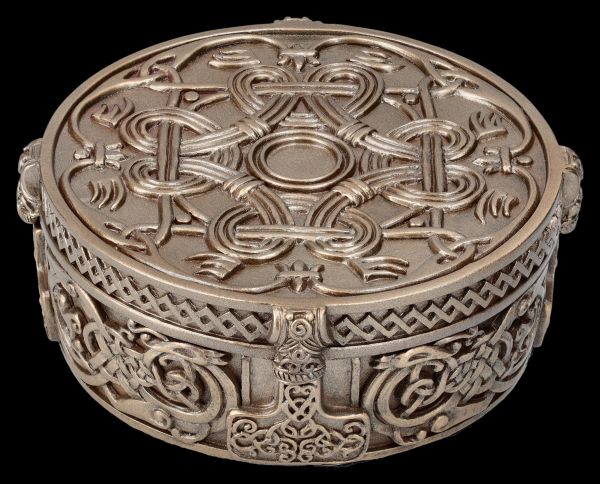 Box Viking with Nordic Symbols
 Width: 11,5 cm
Depth: 11,5 cm
Interior: H: 2,5 cm / W: 9,5 cm / D: 9,5 cm
Material: Cold Cast Resin
hand painted
Series: Summit Collection
Ready to ship, Delivery time 1-3 workdays **
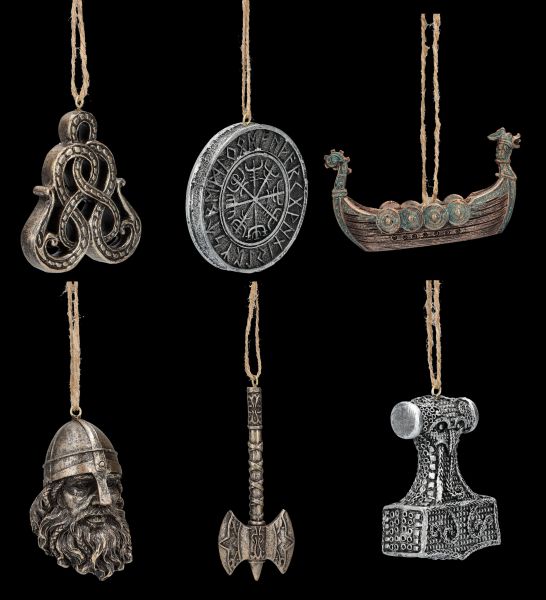 Christmas Tree Decoration - Viking Set of 6
 Axe: H: 9 cm/ W: 3,5 cm/ D: 1 cm
Ship: H: 4,5 cm/ W: 8,5 cm/ D: 3 cm
Head: H: 7 cm/ W: 4 cm/ D: 4 cm
Compass: H: 7 cm/ W: 7 cm/ D: 1 cm
Midgard Snake: H: 7 cm/ W: 6,5 cm/ D: 1 cm
Material:...
Ready to ship, Delivery time 1-3 workdays **
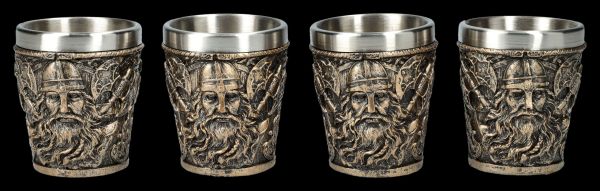 Shot Glasses Set of 4 - Viking Design
 Width: each 5,5 cm
Depth: each 5,5 cm
Material: Cold Cast Resin
Capacity: approx. 50 ml
removable stainless steel insert
hand painted
Ready to ship, Delivery time 1-3 workdays **
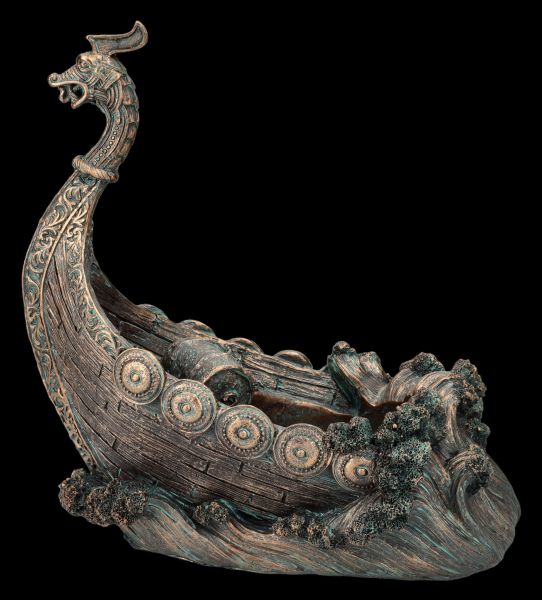 Bottle Holder - Drakkar Viking Ship
 Width: 22 cm
Depth: 15 cm
Material: Cold Cast Resin
hand-painted
for bottles with a diameter of up to approx. 7,5 cm
Decoration not included
Ready to ship, Delivery time 1-3 workdays **
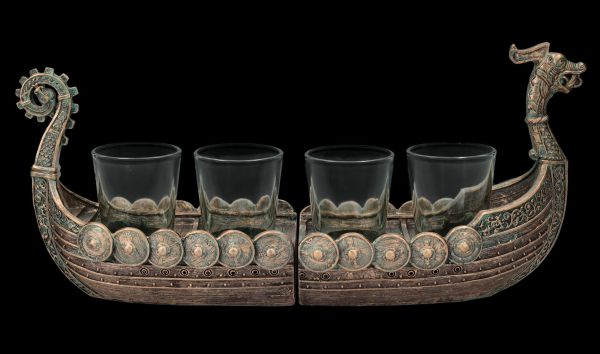 Shot Glasses Set of 4 - Viking Drakkar
 Width: each 15 cm ( Total Width 30 cm)
Depth: each 8 cm
Glasses: each H: 6 cm D: 5 cm
Capacity: 50 ml
Material: Cold Cast Resin
hand painted
Ready to ship, Delivery time 1-3 workdays **
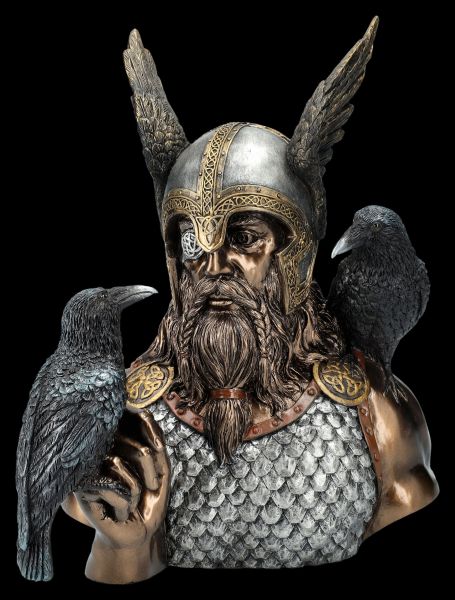 Odin Figurine - Bust small with Raven
 Width: 18 cm
Depth: 13 cm
Material: Cold Cast Resin
bronzed & colored
Series: Veronese Studio Collection
Free of shipping costs within Germany!
Ready to ship, Delivery time 1-3 workdays **
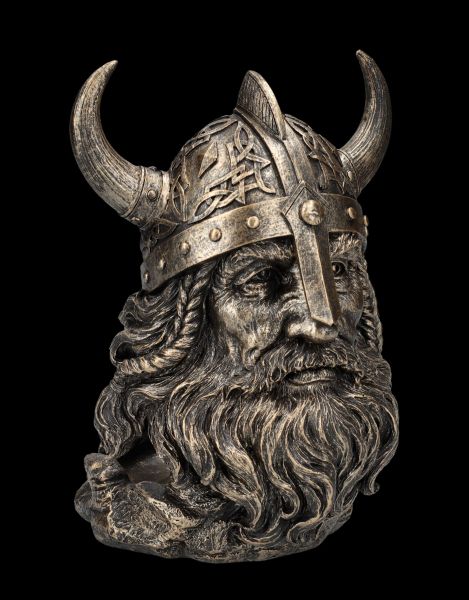 Bottle Holder - Viking Bust
 Width (without bottle): 15,5 cm
Depth: 16,5 cm
Material: Cold Cast Resin
hand-painted/ bronze-coloured
for bottles with a diameter of up to approx. 9 cm
Decoration not included
Ready to ship, Delivery time 1-3 workdays **
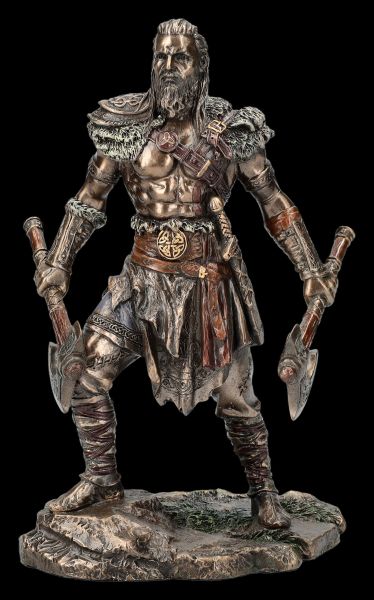 Viking Figurine - Gunnar with Two Axes
 Width: 10,5 cm
Depth: 7 cm
Material: Cold Cast Resin
bronzed & colored
Series: Veronese Studio Collection
Ready to ship, Delivery time 1-3 workdays **
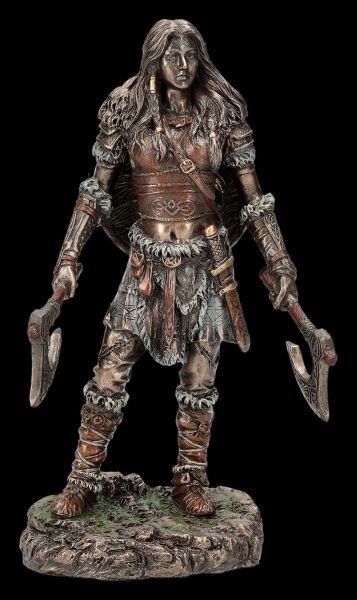 Viking Figurine - Brynhild with Two Axes
 Width: 9 cm
Depth: 6,5 cm
Material: Cold Cast Resin
bronzed & colored
Series: Veronese Studio Collection
Ready to ship, Delivery time 1-3 workdays **
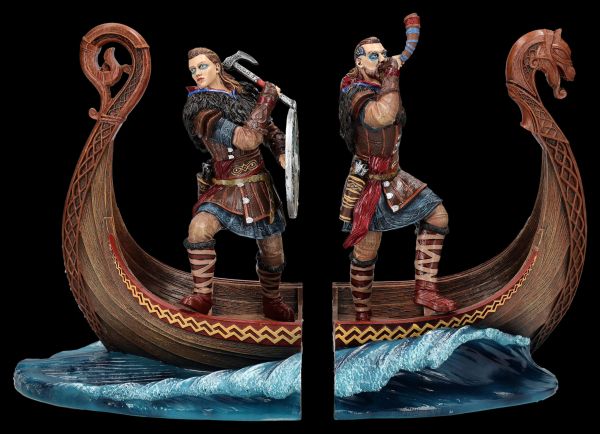 Bookends Assassins Creed - Valhalla Vikings
 Width: 14 - 16,5 cm
Depth: each 15 cm
Material: Cold Cast Resin
hand painted
incl. Gift Box
Officially licensed merchandise
by Assassins Creed
Decoration not included
Free of shipping costs within Germany!
Ready to ship, Delivery time 1-3 workdays **