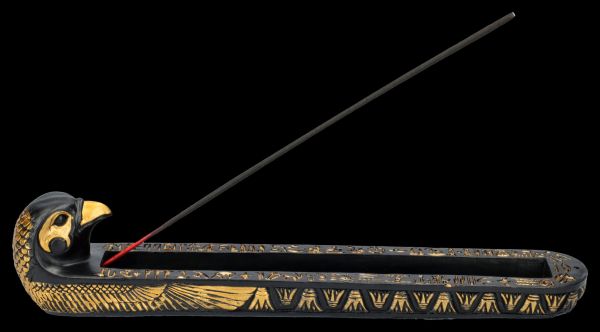
Egyptian Wall Decor, Goblets and Incense Holders
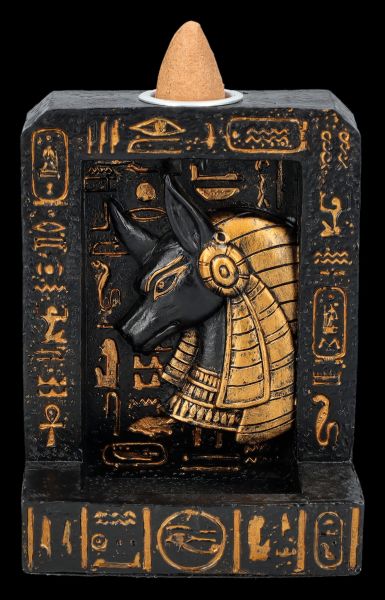
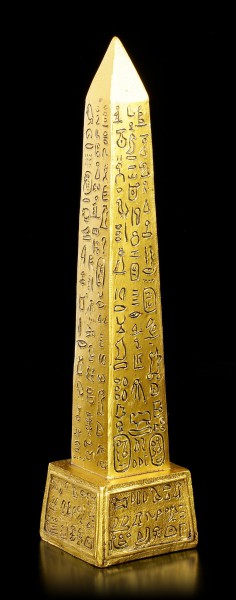
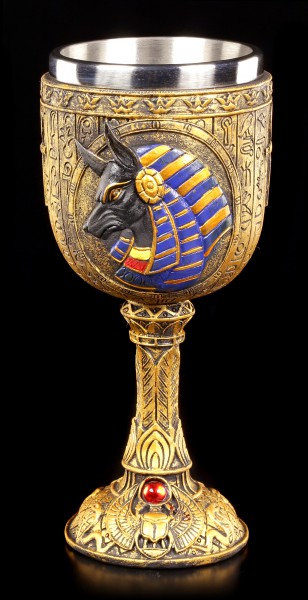
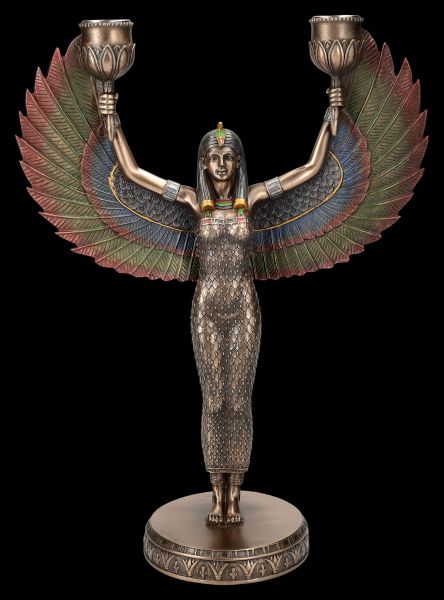
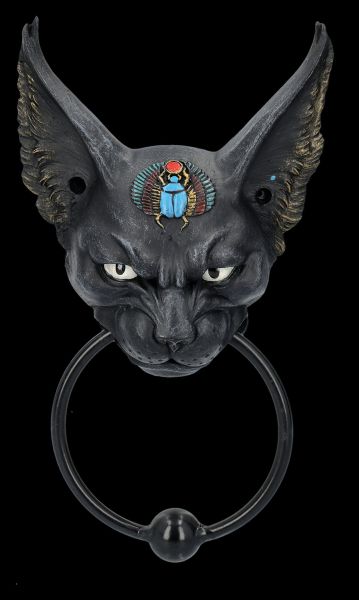
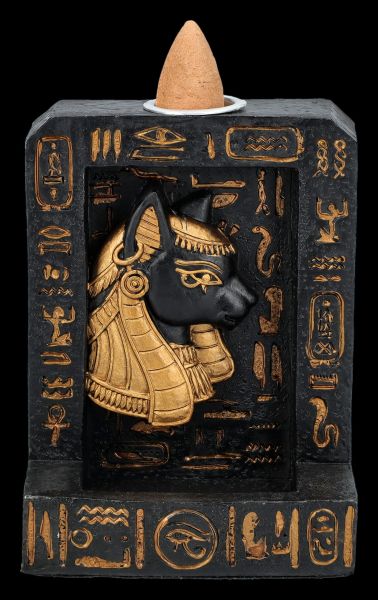
Ancient Egyptian motifs work beyond figurines: wall reliefs show the ankh, the mask of Anubis or the judgement scene with the scales, while goblets bear the heads of Anubis, Bastet and Horus or the bust of Nefertiti. Incense holders, an oil burner, candle holders and door knockers take up the same visual language. Obelisks with hieroglyphs recall the monumental stone pillars that were often set up in pairs in front of Egyptian temples and were closely linked to the sun cult.
Chess Sets, Notebooks and Tarot in Egyptian Style
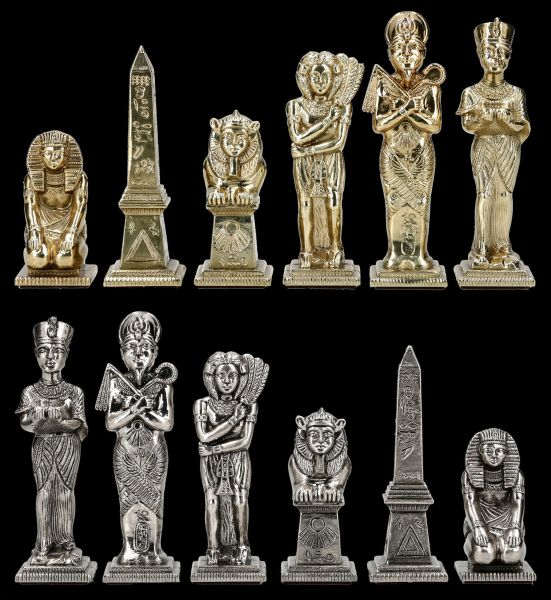
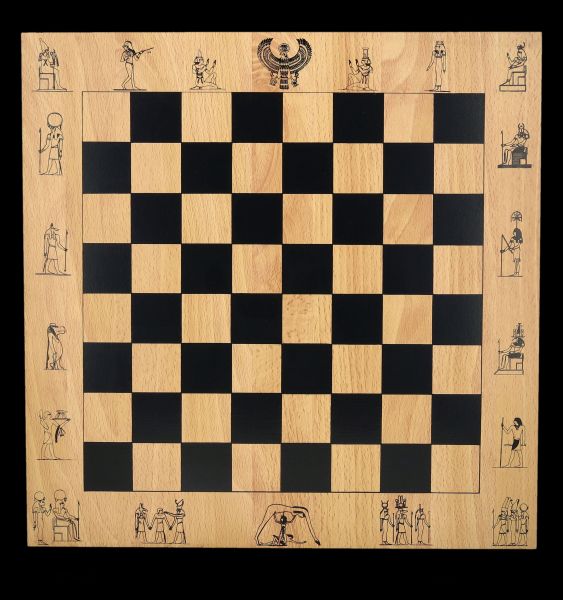
Chess sets with Egyptian pieces pit pharaohs against Romans or gold against black, and notebooks feature motifs from the Book of the Dead. Tarot and oracle cards combine Egyptian imagery with card reading – a link that goes back to the French author and scholar Antoine Court de Gébelin, who suggested an Egyptian origin of the tarot in the 18th century; there is no historical evidence for it. Gods, pharaohs and symbols as figurines can be found among the Egyptian figurines, and jewellery boxes and canopic jars among the Egyptian trinket boxes.
FAQ about Egyptian Accessories
What does the Eye of Horus mean?
The Eye of Horus, also known as the wedjat eye, was regarded as a protective symbol and a sign of healing and wholeness. According to tradition, one of Horus's eyes was injured or stolen in his fight with Seth and later restored. As an amulet it was meant to protect its wearer and convey the power of healing and regeneration.
What did obelisks stand for in ancient Egypt?
Obelisks were tall pillars carved from a single block of stone with a pyramid-shaped tip that was often gilded. They were associated with the sun god and usually stood in pairs at temple entrances. Several Egyptian obelisks were later taken to Rome, Paris, London and New York.