Egyptian Trinket Boxes & Jewellery Boxes
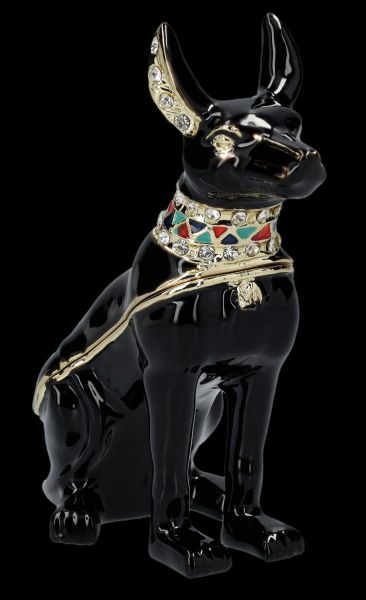
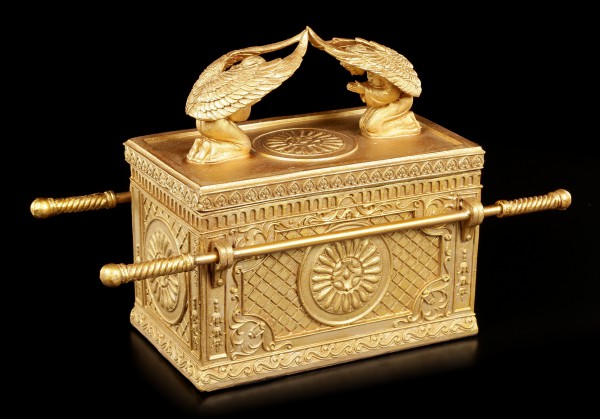
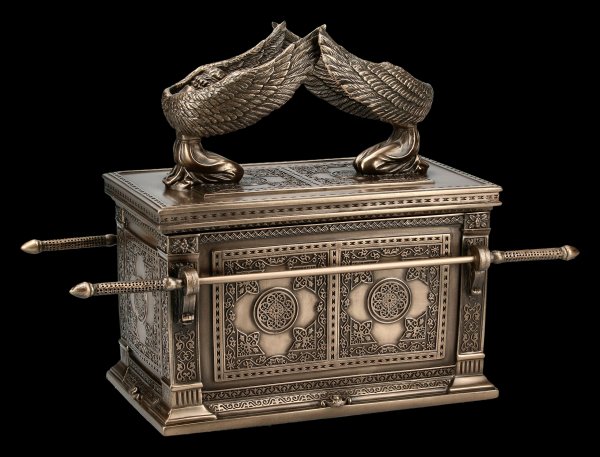
Storage pieces with Egyptian motifs come in a variety of formats: pyramid boxes in several sizes, chests and caskets with hieroglyphs, sphinx shapes and smaller jewellery boxes featuring the heads of Anubis and Bastet or the bust of Nefertiti. They are joined by replicas of the Ark of the Covenant from biblical tradition. Finishes range from colourfully hand-painted to gold-coloured and bronzed. Further gods and rulers can be found among the Egyptian figurines, and sphinx and scarab decor among the sphinx and scarab figurines.
Canopic Jars - the Four Sons of Horus
Canopic jars are among the best-known objects of ancient Egyptian funerary ritual. In burial practice they held the embalmed internal organs of the deceased. The four organs were protected by the sons of Horus – Imsety, Hapi, Duamutef and Qebehsenuef; over the course of the New Kingdom, the lids of the jars were increasingly shaped as their human, baboon, jackal and falcon heads. The term "canopic jar" does not come from the ancient Egyptians but from a later misattribution by early Egyptologists to the Egyptian town of Canopus. As collector's pieces or a decorative ensemble, the bronzed replicas work well in a display cabinet or on a shelf; jars with an Anubis head are a decorative variant referencing the god of embalming.
FAQ about Egyptian Trinket Boxes
What were canopic jars used for in ancient Egypt?
Canopic jars were used during ancient Egyptian mummification to store the internal organs. The four jars were protected by the four sons of Horus, each guarding one organ: human-headed Imsety the liver, baboon-headed Hapi the lungs, jackal-headed Duamutef the stomach and falcon-headed Qebehsenuef the intestines.
Which Egyptian motifs appear on the trinket boxes?
The boxes feature motifs from ancient Egyptian mythology and iconography: hieroglyphs, ankh crosses, pyramids, the heads of gods such as Anubis and Bastet, and royal depictions such as the bust of Nefertiti.